
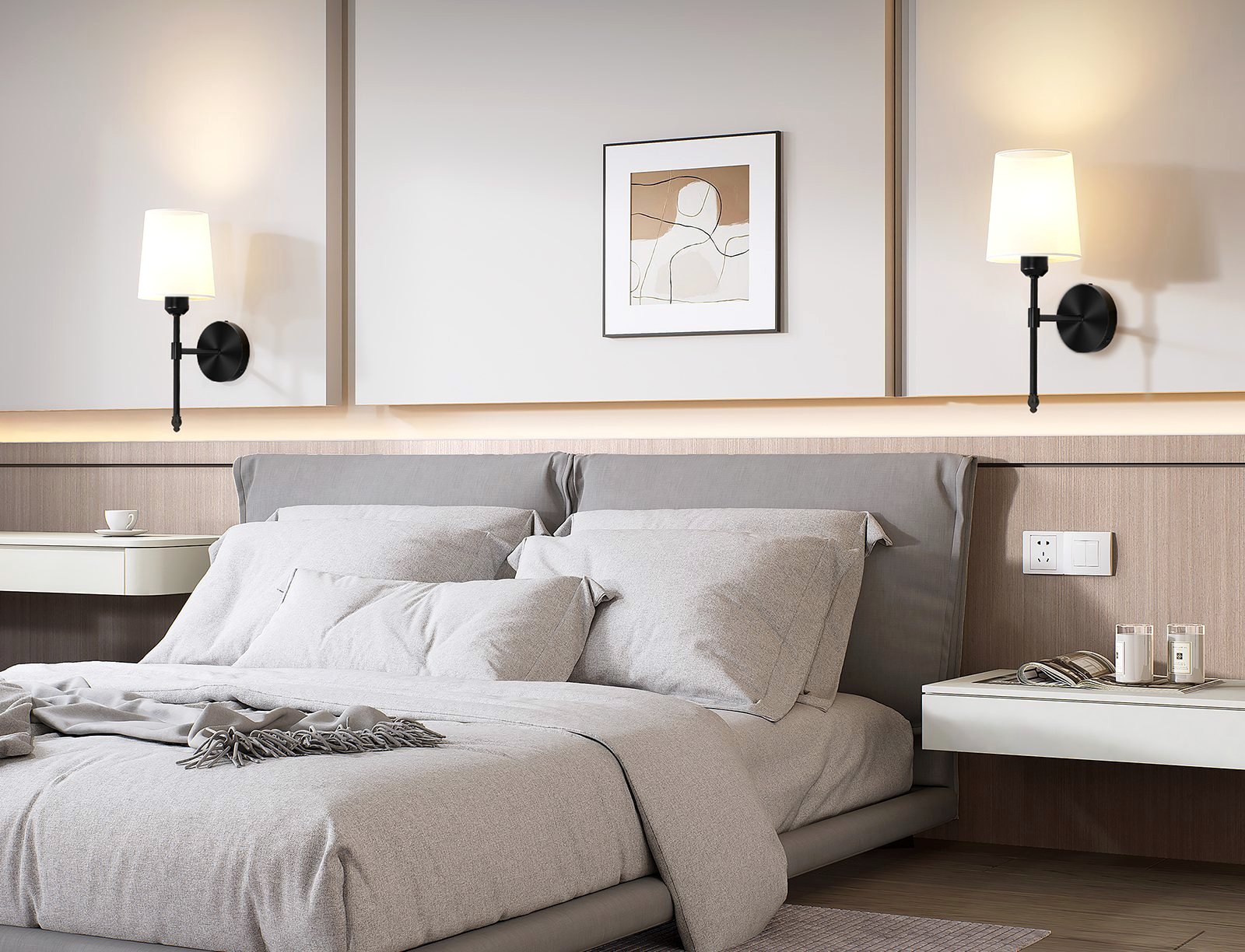
Colour temperature is measured in kelvin, and it runs the opposite way to how it sounds: the lower the number, the warmer the light. A candle is around 1800K; a bright overcast afternoon is closer to 6500K.
Most rooms look wrong at one temperature and right at another, and the difference has very little to do with brightness.
3000K — warm white
This is the colour of a hotel bedside lamp. Wood, linen and painted walls look richer, shadows soften, and skin looks like skin. It is the right default for bedrooms, living rooms and anywhere the evening is the point.
In a hallway it can feel dim, which is worth knowing before you light a long corridor with it.
4500K — neutral white
Cleaner without being clinical. It reads as daylight on a grey day, and it sits in the middle well enough that most people cannot name what changed. Good for kitchens, utility spaces and rooms that have to work at any hour.
6000K — daylight
Cool, crisp and slightly blue. Excellent for detail work — reading small print, sewing, matching colours — and it makes white surfaces look genuinely white. In a bedroom at night it reads as harsh, and it is a poor choice for a room you want to feel calm.
- Bedroom, bedside: 3000K, dimmed low.
- Living room, hallway: 3000K to 4500K.
- Kitchen, bathroom, utility: 4500K.
- Task and detail work: 4500K to 6000K.
Why switching matters more than picking
The honest answer is that there is no single right temperature for a whole home, and rooms change purpose through the day. Being able to switch — warm in the evening, neutral for the tasks in the middle of the day — matters more than getting the initial choice perfect.
One light that can change temperature is more useful than three lights that cannot.
Every OUYULONG set switches between 3000K, 4500K and 6000K from the remote, and dims steplessly from there, so the room can be a different room at eight in the morning and ten at night.